The Power of Art Therapy for Children and Adolescents
For many children and adolescents, expressing emotions through words can be difficult. Whether they are navigating anxiety, emotional regulation challenges, or low self-esteem, traditional talk-based therapy may not always feel accessible. Art therapy offers an alternative, using creative expression to help young people process emotions in a safe and supportive environment.
At TT Psychology, we offer art therapy for children and adolescents, delivered by a trained art therapist or a child psychologist. Our approach provides structure, creativity, and emotional support tailored to each individual’s developmental needs. While art therapy is often associated with creative expression, it also delivers wide-ranging psychological benefits—many of which may surprise you.
1. Enhances Emotional Regulation and Self-Expression
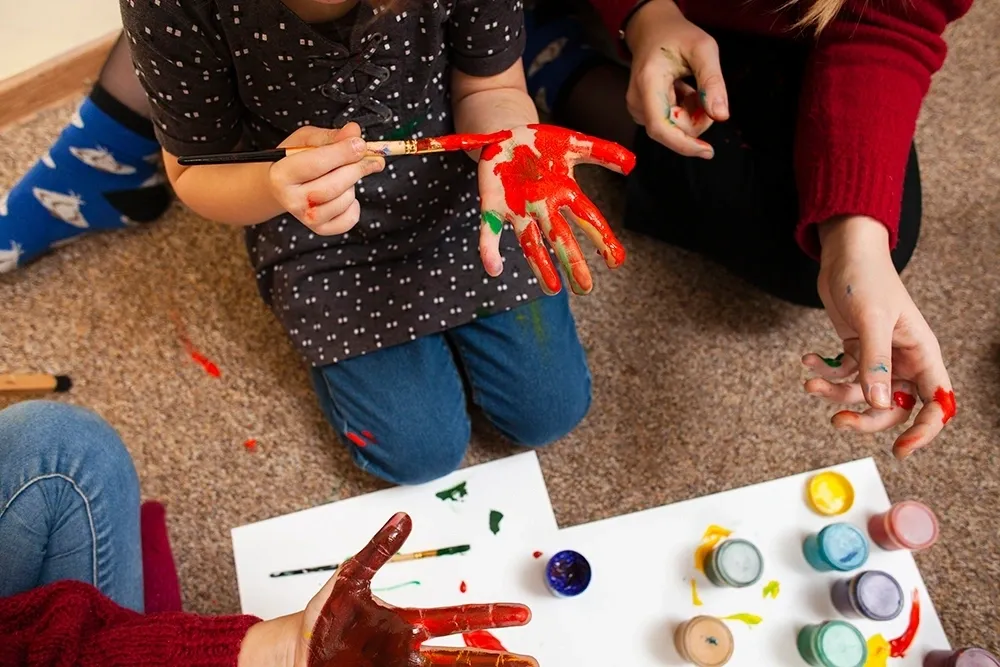
Children and adolescents often struggle to articulate complex emotions. Art therapy offers a non-verbal outlet for these feelings, giving young people the opportunity to express themselves through drawing, painting, and tactile media in a safe, pressure-free environment. While art therapy focuses on creative expression, it is not strictly non-verbal—verbal reflection and conversation still occur, just with less emphasis than in traditional talk-based therapy.
Through this process, they externalise difficult emotions and begin to make sense of them. This can be particularly beneficial for children who experience frustration, emotional outbursts, or have difficulty identifying their feelings. With the guidance of a qualified art therapist, children learn new ways to manage emotions and build emotional awareness.
2. Supports Anxiety and Stress Reduction
Engaging in creative activities has calming and grounding effects similar to mindfulness techniques. The rhythmic and sensory nature of art-making—such as colouring, sculpting, or working with different textures—can help soothe anxiety and reduce stress.
Art therapy helps shift focus away from anxious or racing thoughts and encourages presence in the moment. This is especially beneficial for children experiencing generalised anxiety, school-related pressures, or social worries.
3. Improves Communication Skills
For children who struggle to articulate their feelings, art therapy becomes a bridge between internal experience and external expression. Through visual storytelling, symbolism, and shared discussion of their artwork, children learn to explore and communicate their emotions more confidently.
This can be particularly helpful for children and adolescents experiencing:
- Social withdrawal
- Selective mutism
- Language processing difficulties
- Challenges with verbal expression
Over time, working with an art therapist builds trust and helps develop communication skills in a gentle and supportive way.
4. Builds Self-Esteem and Confidence
Children who experience perfectionism, fear of failure, or low self-worth often find comfort in the non-judgemental nature of art therapy. It allows them to take creative risks and celebrate their individuality—helping to build self-confidence and foster a more compassionate relationship with themselves.
5. Encourages Cognitive Development and Focus
While art therapy primarily supports emotional wellbeing, it also contributes to cognitive development and executive functioning. Creative tasks involve planning, problem-solving, sequencing, and fine motor coordination—all valuable cognitive skills.
This is particularly beneficial for children who experience:
- Attention and focus challenges
- Learning difficulties
- Low motivation or task persistence
By engaging in structured creative activities, children develop stronger concentration, planning ability, and task completion—skills that translate to both school and everyday life.
After-School Art Therapy Groups at TT Psychology
In addition to individual art therapy sessions, TT Psychology offers after-school art therapy groups specifically for neurodiverse children and adolescents. These structured group sessions provide a safe, engaging, and neuroaffirming space where young people can:
- Express emotions through creative activities
- Develop social skills in a supportive group environment
- Build confidence and emotional resilience
- Strengthen emotional regulation in a fun and interactive way
Our after-school groups are led by trained art therapists who understand and support neurodivergent ways of thinking, feeling, and communicating. These programs are designed to help participants explore identity, manage anxiety, and connect through creativity in a collaborative and respectful setting.
Is Art Therapy Right for Your Child?
Art therapy may be a helpful option for children and adolescents who:
- Struggle with anxiety, stress, or emotional regulation
- Find it difficult to communicate verbally
- Experience low self-esteem or social difficulties
- Have experienced trauma, grief, or major life transitions
- Need support with focus, organisation, or learning engagement
At TT Psychology, our trained art therapist works with children and adolescents in a supportive, neuroaffirming environment. Therapy is tailored to each young person’s needs, interests, and strengths—encouraging growth through creativity.
Book an Art Therapy Session at TT Psychology
If you’re exploring creative therapeutic support for your child, TT Psychology offers art therapy sessions designed to support emotional wellbeing and resilience. Our art therapy services are delivered by a trained art therapist and tailored to meet each child’s developmental and emotional needs.
Contact us today to learn more about how art therapy can help your child express themselves, build confidence, and thrive.
Book an Appointment