
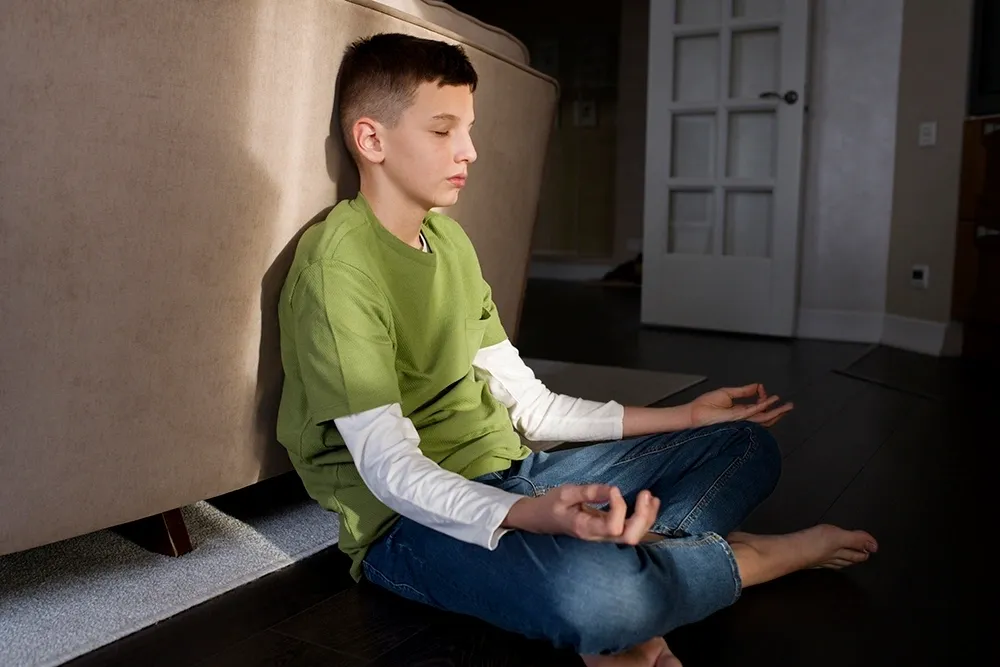
Why It’s Important to Talk About Mental Health With Your Teen
Adolescence brings emotional, social, and cognitive changes that can impact a teenager’s mental wellbeing. Academic pressure, identity exploration, and changing relationships can all contribute to emotional strain and many teenagers may find it difficult to express what they’re feeling.
At TT Psychology, we understand that initiating conversations around mental health with your teen can feel daunting. Done poorly, it can lead to resistance or withdrawal. But with the right approach, these conversations can help foster resilience, trust, and connection.
Here are practical, evidence-based strategies from our team to help you speak to your teen about their mental health, without pushing them away.
1. Choose the Right Time and Setting
Pick a relaxed, non-pressured moment when your teen is more likely to be open, such as during a walk, car ride, or quiet time at home. Avoid raising mental health concerns during arguments or stressful situations. The more natural and low-pressure the setting, the safer your teen is likely to feel.
2. Focus on Listening First
Many parents instinctively try to ‘solve’ the problem. But what teens often need most is someone who will simply listen.
Try:
- Using open-ended, non-judgemental prompts like:
“I’ve noticed you’ve seemed a bit off lately—want to talk about it?” - Practising active listening—show interest without interrupting or immediately offering advice.
- Validating their feelings with:
“That sounds really tough. I’m here if you ever want to talk more.”
This kind of support builds emotional safety and trust.
3. Make Mental Health a Normal Topic
The more mental health is spoken about in everyday life, the less stigmatised it becomes. Let your teen know that emotions—both positive and difficult—are part of being human.
You can help normalise mental health by:
- Talking about your own coping strategies and emotions (in an age-appropriate way).
- Bringing up mental wellbeing casually when discussing current events or media.
- Reinforcing that seeing a psychologist is just like going to a doctor for physical health.
When mental health is treated as part of daily conversation, your teen is more likely to open up when they need to.
4. Know the Signs That Suggest Further Support May Be Needed
While changes in mood and behaviour are normal in adolescence, persistent difficulties may indicate a need for professional support.
Signs to look out for include:
- Withdrawal from friends, family, or previously enjoyed activities
- Difficulty concentrating or a sudden drop in school performance
- Sleep changes, appetite changes, or frequent fatigue
- Unexplained anger, sadness, or emotional outbursts
- Negative self-talk or hopelessness
If you’re unsure whether your teen needs additional support, speaking with a child psychologist can provide clarity and a path forward.
5. Respect Their Privacy—But Stay Involved
Teenagers value autonomy. If they sense pressure or intrusion, they may retreat further. At the same time, maintaining connection is essential.
Try to:
- Let them know you’re available when they’re ready to talk.
- Avoid pushing for information, gentle check-ins work better than daily questioning.
- Encourage healthy outlets for expression, such as writing, physical activity, or creative therapies.
Maintaining consistent presence and emotional availability lets your teen know that help is there when they want it.
6. Introduce Professional Support as a Positive Step
Some teenagers may feel unsure or resistant to the idea of seeing a psychologist. The way this conversation is framed makes a big difference.
You can say:
- “A psychologist can be someone to talk to who really understands how to help with what you’re feeling.”
- “It’s not about something being ‘wrong’. It’s about learning tools to handle tough emotions or situations.”
- “We can find someone you feel comfortable with.”
How TT Psychology Supports Teen Mental Health
We understand that teenagers benefit from tailored, age-appropriate support. Our services for adolescents include:
- Individual psychological therapy for emotional and behavioural challenges
- Neurodevelopmental assessments
- Trauma-informed interventions such as EMDR therapy
- Creative approaches including art therapy (delivered by a qualified art therapist)
- Counselling
- Guidance for parents to strengthen communication and support at home
All care at TT Psychology is delivered in a neuroaffirming, compassionate environment.
Book an appointment
Supporting your teen’s mental health doesn’t have to be overwhelming—and you don’t have to do it alone.
If you’re looking for experienced, evidence-based support, our team at TT Psychology is here to help. Book an appointment or contact us to find out more.