
Home » School Readiness Assessment
School Readiness Assessment Melbourne
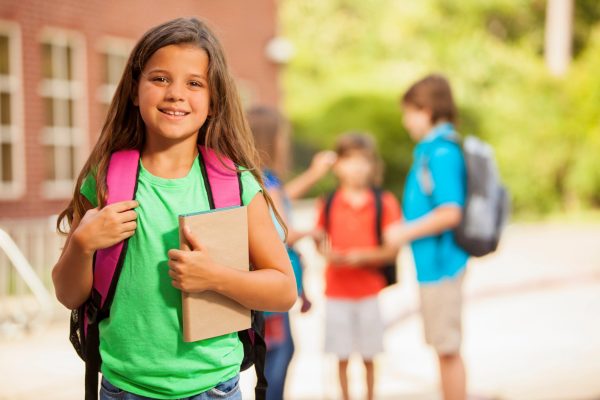
Support Early School Entry
Understand your child’s developmental strengths and needs.
Not sure if your child is ready for school? If they’re in kindergarten and starting school next year, understanding their current strengths and any areas they may be finding more challenging can help guide your next steps.
At TT Psychology, we offer school readiness assessments designed to help you gain a deeper understanding of your child’s developmental profile. With clear insights, you may be better placed to support your child’s needs from day one.
What We Explore in a School Readiness Assessment
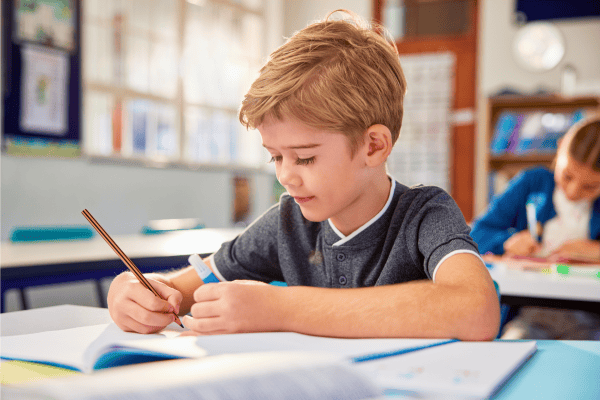
An educational assessment Melbourne helps parents understand whether a child is ready to enter secondary, middle, or primary school. It carefully considers your child’s readiness across four key areas:

Academic Readiness
Offers insight into your child’s cognitive development, such as early literacy and numeracy skills.
Social Readiness
Explores your child's communication skills and peer interactions in group settings.

Emotional Readiness
Assesses your child's emotional skills, resilience, and capacity to manage transitions.

Physical Readiness
Carefully considers your child's gross and fine motor skills, from movement through to pencil grip and other everyday tasks.
A Straightforward, Supportive Process
Our booking process has been designed to provide easy and supportive access to dyslexia assessment services.
Initial Appointment
This 50-minute appointment gives the clinician time to understand relevant background information and the concerns that have led you to seek an assessment for your child.

Assessment Confirmation
After the initial appointment, we’ll outline any recommended assessments and provide a clear estimate of the expected fees.

During Assessment
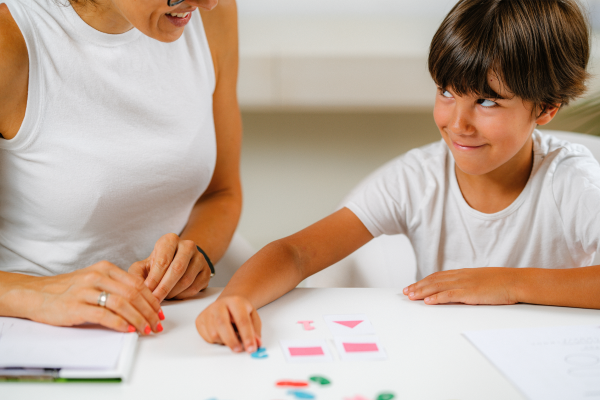
Your child may complete several assessments and checklists to help explore their full capabilities, which may take a few sessions.
Feedback Appointment
Once the assessment is complete, the feedback session is arranged to answer any questions. We compile our findings in a detailed report with tailored recommendations.
Not sure if your child is ready for the school environment?
Our thorough assessments aim to help you decide with confidence.
How Does the Assessment Support Children?
A school readiness assessment isn’t just about knowing whether your child is ready to enter school. It may also help:
- Identify your child's strengths
- Support a smooth and successful transition
- Guide more informed decisions about school entry
- Outline helpful accommodations and extra supports
- Explore the option of early school entry
- Provide insight into your child's mental health
Answering Your School Readiness Questions
Why is school readiness important for preschoolers?
Starting school is a big step, and readiness plays an important role in how children experience it. Preschoolers who feel prepared are more likely to settle in, build friendships, and engage with learning from the start.
What is an example of school readiness?
School readiness looks different for every child, but common examples include:
- Separating from parents without significant distress
- Following simple instructions and classroom routines
- Taking turns and sharing with other children
- Managing self-care tasks like toileting and unpacking a bag
- Holding a pencil and using scissors
- Expressing needs and feelings with words
A child doesn’t need to have mastered every skill for school readiness. Instead, readiness is about their overall development across academic, social, emotional, and physical areas.
When should my child take a school readiness assessment?
Most children complete a school readiness assessment between the ages of four and five, in the year before they start school. If you are considering early school entry, we recommend enquiring early in the year, as schools often require supporting evidence ahead of enrolment deadlines.
What activities are good for child development?
Everyday play is considered one of the best supports for a child’s development. Helpful activities often include:
- Reading together and singing songs that may build early language and literacy
- Drawing, threading, and puzzles designed to strengthen fine motor skills
- Outdoor play, climbing, and ball games to work towards developing gross motor skills
- Turn-taking games designed to build social skills and emotional regulation
- Simple routines, such as packing a bag, to encourage independence ahead of school
Which suburbs do you service?
We see patients from all suburbs of Melbourne including:
- Educational Assessment Caulfield
- Educational Assessment St Kilda
- Educational Assessment Balaclava
- Educational Assessment Ripponlea
- Educational Assessment Elwood
- Educational Assessment Armadale
- Educational Assessment Prahran
- Educational Assessment Brighton
- Educational Assessment Gardenvale
- Educational Assessment Ormond
- Educational Assessment Glen Huntly
- Educational Assessment Malvern
- Educational Assessment Windsor
- Educational Assessment Bentleigh
- Educational Assessment Mckinnon
- Educational Assessment Carnegie
- Educational Assessment Hampton
What Sets TT Psychology Apart
Personalised Support
We personalise our services with a collaborative, neuro-affirming care to suit your child’s unique needs, offering consistent support.
Parent Empowerment
We support parents and caregivers with valuable insight and practical strategies, empowering you to feel confident in your role.
A Sensory-Friendly Space
Our clinic is warm, inviting, and calm, offering children and families a comfortable space where they may feel at ease.
Get a School Readiness Assessment in Elsternwick
Knowing whether your child is ready for school is an important moment for any family. As your local child psychologist in Elsternwick, we offer thoughtful, understanding, and tailored school readiness assessments designed to help you take the next step with confidence.