A Gentle Creative Pathway to Emotional Wellbeing
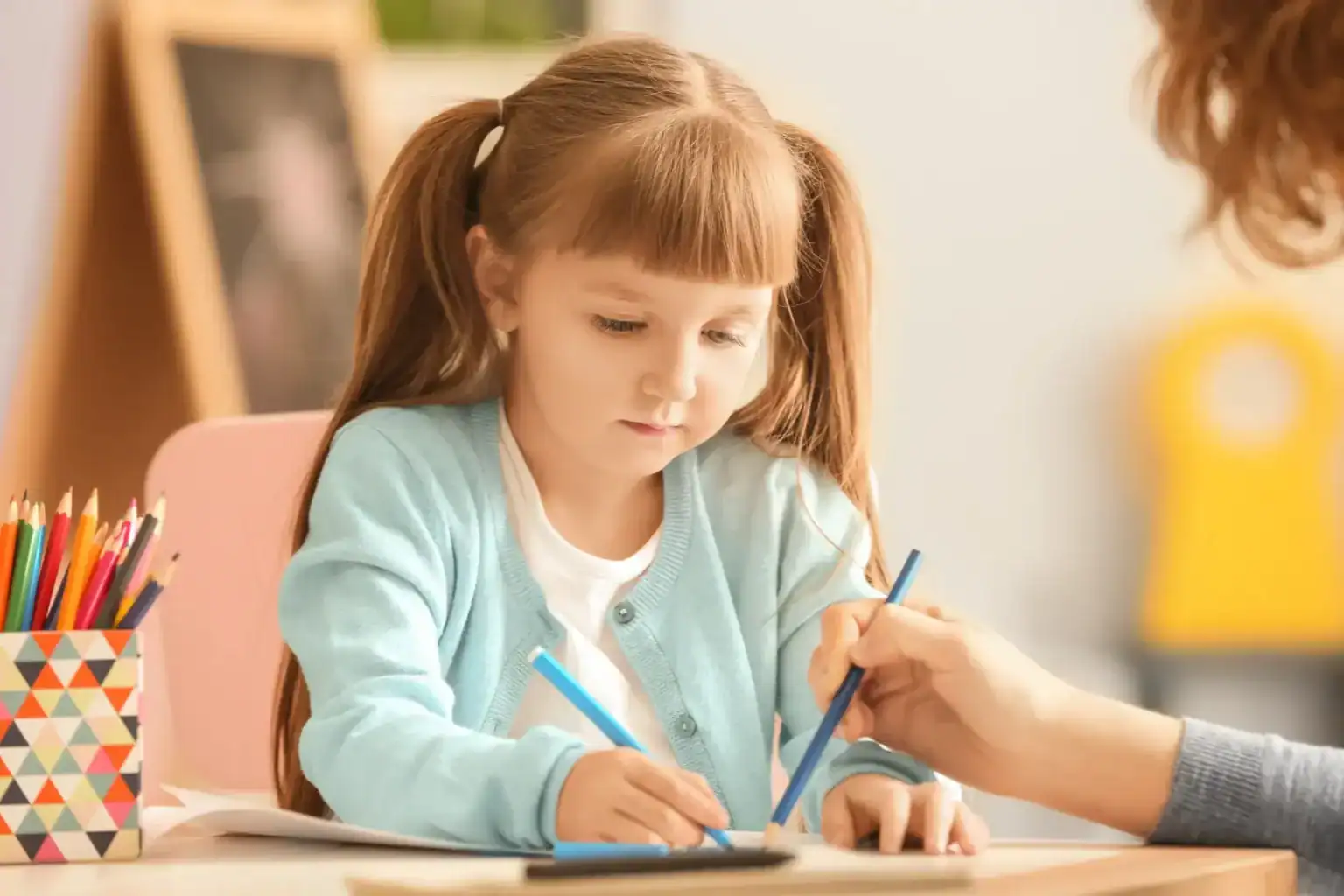
Art therapy at TT Psychology offers a calming, supportive avenue for patients of all ages to explore emotions and develop practical coping tools through creative expression. Moving beyond words alone, art therapy Carnegie creates a safe, playful, and sensory-friendly space where thoughts and feelings may be explored and processed at a pace that feels right for each person.
Sessions are led by Romi Kupfer, our qualified Art Therapist and Counsellor, who thoughtfully combines creative modalities with therapeutic approaches to support emotional wellbeing, self-awareness, and personal growth. Regardless of your artistic ability, this is a welcoming, safe space to explore and create freely and without fear.
Who Might Benefit From Art Therapy?
Art therapy is open to people of all ages and skill levels, offering a gentle, interactive approach that many individuals may find both accessible and beneficial.
Art therapy may be well-suited to people in Carnegie who:
Prefer creative or hands-on expression
Find talk-based therapy overwhelming or challenging
May benefit from sensory-safe or play-based approaches
Want a gentle, non-pressured way to explore emotions
Respond well to movement, colour, imagination, and tactile activities
Need a supportive way to build emotional vocabulary or self-awareness
This approach may be particularly beneficial for children and teenagers who respond well to structure, creativity, and warmth, as well as adults looking for a fresh, expressive pathway to self-understanding and emotional growth.
What Happens in Art Therapy?
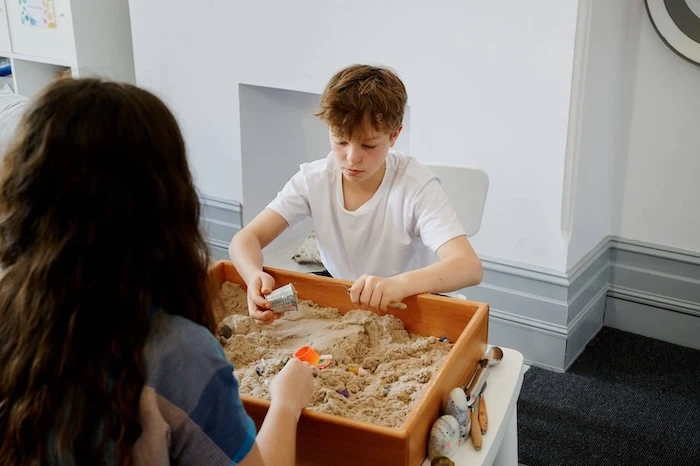
CarnegieArt therapy sessions may incorporate:
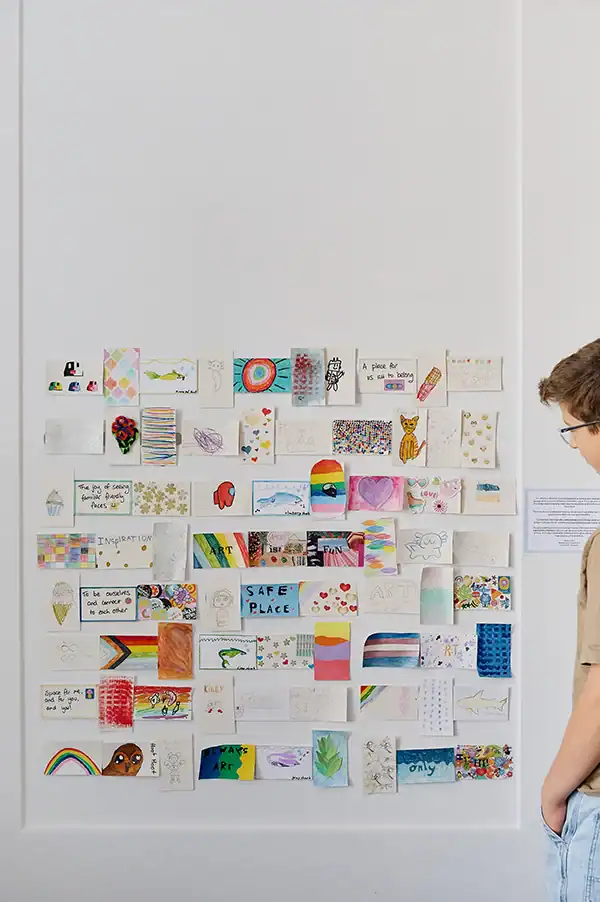
- Painting and drawing
- Arts and crafts
- Play-based therapy
- Sand tray therapy
- Creative writing and storytelling
- Dance and movement therapy
Our qualified art therapist and counsellor, Romi, thoughtfully adapts each session to align with the patient’s needs, goals, interests, and comfort levels. No prior experience with art is required; the focus remains on creative expression, not artistic technique.
What Brings People to Art Therapy
Art therapy can support a wide range of emotional, developmental, and behavioural needs, including:
- ADHD
- Autism
- Worries and anxiety disorders
- Emotional regulation
- Sensory needs
- Trauma or difficult experiences
- Social skills and connection
- Confidence and self-esteem
- Everyday stress and big emotions
- Identity exploration
- LGBTIQA+ support and self-expression
- Chronic health conditions (including chronic pain)
Regardless of your goals or challenges, art therapy provides a creative, nurturing pathway that may support you in building emotional skills, expressing yourself freely, and working towards meaningful progress at your own pace.
The Benefits of Art Therapy
Art therapy provides a unique and accessible way to explore emotions, experiences, and identities through creativity rather than conversation alone. For many children, teens, and adults, artistic expression feels safe, more engaging, and more natural (especially when words feel overwhelming or hard to find).
This creative process may help to:
- Build emotional awareness through the exploration of feelings via art
- Develop practical coping strategies that support regulation and emotional resilience
- Assist with sensory needs through engaging, calming, or structured hands-on activities
- Build confidence and encourage self-expression
- Work through difficult or traumatic experiences at a pace that feels comfortable and supported
- Support identity development, particularly for LGBTIQA+ young people or anyone working through significant life transitions
- Create a non-judgmental space
Why Select TT Psychology for Art Therapy?
At TT Psychology, art therapy near Carnegie is delivered within a warm, collaborative, multidisciplinary environment designed to support emotional wellbeing and foster meaningful progress. Here is what makes our services stand out:
- Sessions delivered by Romi Kupfer, a qualified and experienced Art Therapist and Counsellor
- A warm, creative clinic space designed with comfort and sensory safety in mind
- A neuro-affirming, strengths-based approach to therapeutic care
- Coordinated support across art therapy, psychology, and assessment services
- A child psychologist led team committed to delivering integrated, high-quality care
- Personalised care paired with thoughtful, responsive communication with families
Learning More About Art Therapy
Who is art therapy designed for?
Art therapy is typically suitable for everyone; children, adolescents, young adults, and adults alike may all benefit from therapeutic creative expression. You don’t need to be artistic or have any experience, as all sessions are tailored to your comfort level and goals.
What happens during an art therapy session?
Art therapy sessions typically run for 50 or 80 minutes and may include creative activities, supported reflection, and gentle therapeutic conversations where suitable. Both individual and group sessions are available to ensure all participants feel at ease.
What should I bring along to my session?
Unless your clinician has suggested otherwise, you won’t need to bring anything to your session. All art materials are provided as part of our fees. We do, however, recommend wearing clothes and shoes that you don’t mind getting dirty. We have an extensive range of arts and crafts materials, including beads, stickers, stencils, collage materials, paint, clay, sand tray, figurines, drawing supplies, pencils, crayons, textas, sewing materials, and more!
How does goal setting work in art therapy?
Romi collaborates with you (or with parents/carers for our younger patients) to develop clear, supportive goals that are grounded in your needs, interests, and preferred way of working. These goals are flexible and may be adjusted over the course of your therapy as circumstances change.
Are any rebates available for art therapy?
Detailed information about fees, rebates, and payment options can be found on our Fees page. NDIS rebates are available for eligible participants and no referral is required. Our team will make sure you are fully informed of your options prior to your first session.
What sets art therapy apart from traditional therapy?
Art therapy differs from traditional talk therapy in that it provides a creative avenue for people to express emotions and thoughts through visual, tactile, and creative mediums, rather than relying solely on verbal communication. This approach is thought to be particularly supportive for those who find it challenging to articulate their experiences verbally, such as children or individuals working through trauma.
Our Art Therapy Booking Process
Make a Booking
Contact us online or by phone, and our team will assist in organising your initial parent appointment at a time that is convenient for you.

Initial Parent Session
For children and teenagers, the process commences with a parent-only session in which we discuss the child's background, interests, strengths, and current challenges to help shape a personalised art therapy approach.

Initial Patient Session
The first art therapy session is focused on easing the child into the creative space at a comfortable pace. Activities are gentle and exploratory, and a parent may be invited to join for a portion of the session if doing so helps to support the child's confidence and comfort.
Ongoing Sessions
Your art therapist will then suggest a plan for ongoing sessions, outlining goals, session frequency, and any additional supports that may assist the child in expressing, processing, and developing through creative work.
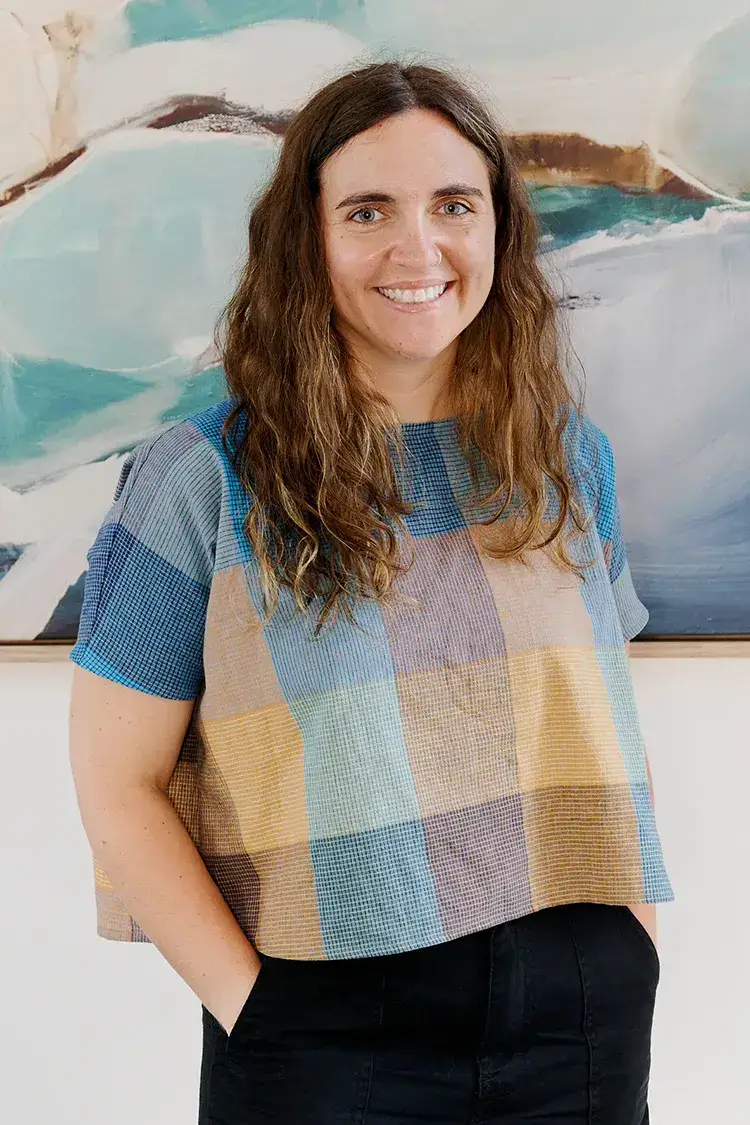
Registered Art Therapist, Counsellor & Clinic Manager
Romi works with patients across creative arts therapy and counselling
Romi Kupfer is a creative arts therapist and counsellor who brings over 10 years of experience working with children, adolescents, and young adults in artistic settings. She is passionate about forming meaningful connections with young people of diverse backgrounds and abilities, and is especially motivated by offering support during difficult periods and key transitional stages in their lives.
Take the First Step on Your Creative Wellbeing Journey Today
Art therapy seeks to open a safe, creative pathway towards emotional wellbeing, resilience, and self-expression. Whether you or your child is seeking support with emotions, identity, confidence, sensory needs, or everyday challenges, the Carnegie art therapist at TT Psychology is here to help. Reach out today to book an art therapy session and take the first step forward.